
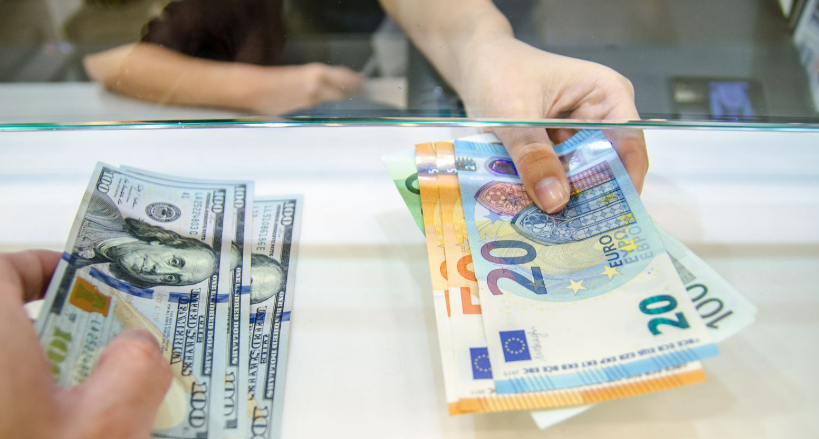

In a globalized economy, businesses are no longer confined to their home markets. Whether it’s sourcing raw materials, expanding into international markets, or managing cross-border investments, currency exchange rates play a critical role in shaping business outcomes. Fluctuations in exchange rates can either boost profits or create unexpected challenges, making it essential for companies to keep a close eye on currency exchange trends.
Understanding Currency Exchange Trends
Currency exchange rates represent the value of one currency compared to another. These rates are influenced by multiple factors, including:
- Economic Indicators: Inflation, interest rates, and GDP growth directly affect currency strength.
- Political Stability: Countries with stable governance and policies attract stronger foreign investment, supporting their currencies.
- Global Trade Balances: Nations exporting more than they import usually experience stronger currencies.
- Market Speculation: Investor confidence and speculation can drive short-term fluctuations.
Monitoring these trends allows businesses to anticipate risks and plan more effectively.
How Currency Exchange Impacts Businesses
- International Trade Costs
When a company imports or exports goods, exchange rate fluctuations can increase or decrease costs. For instance, if the Indian Rupee weakens against the US Dollar, Indian companies importing machinery from the US may face higher expenses. - Profit Margins
A sudden drop in currency value can reduce profit margins for businesses dependent on international sales. Conversely, favorable rates can increase competitiveness abroad. - Foreign Investments
Businesses with investments overseas or operating in multiple countries must manage the risk of currency depreciation, which can impact returns. - Pricing Strategies
Exchange rate volatility forces businesses to adjust pricing in foreign markets to remain competitive while protecting profits. - Operational Planning
Companies involved in global supply chains need to factor in exchange rate risks when negotiating contracts, setting budgets, or projecting future growth.
Emerging Currency Exchange Trends
- Increased Volatility: Global economic uncertainties, geopolitical tensions, and inflationary pressures have made exchange rates more volatile than ever.
- Rise of Digital Currencies: Cryptocurrencies and central bank digital currencies (CBDCs) are creating new avenues for cross-border transactions and could redefine exchange mechanisms in the future.
- Currency Hedging Practices: More businesses are adopting financial instruments like forward contracts and options to protect themselves from unfavorable fluctuations.
- Dollar Dominance vs. Regional Currencies: While the US Dollar remains the world’s primary reserve currency, regional currencies like the Euro, Yuan, and Rupee are gaining influence in global trade agreements.
Strategies Businesses Can Use
- Hedging Currency Risks: Using financial tools to lock in exchange rates.
- Diversifying Markets: Expanding into multiple regions reduces over-reliance on a single currency.
- Negotiating in Local Currency: Minimizes exposure to exchange rate fluctuations.
- Regular Monitoring: Staying updated with global economic and political developments to anticipate trends.
Conclusion
Currency exchange trends are a powerful force in shaping business success. From affecting trade costs to influencing investment returns, they can determine whether a company thrives or struggles in international markets. By staying informed and adopting smart strategies, businesses can not only protect themselves from risks but also seize opportunities that currency fluctuations create.

Comments are closed.