
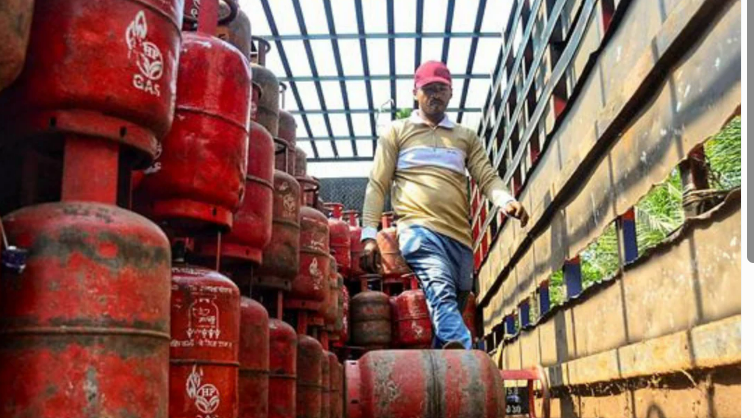

India is currently witnessing a growing concern over the rising cost and accessibility of domestic LPG cylinders, a situation that is increasingly contributing to financial stress among middle- and lower-income households. Liquefied Petroleum Gas, commonly used for cooking, is an essential commodity in millions of Indian homes, especially after the widespread adoption of clean cooking fuel initiatives like Pradhan Mantri Ujjwala Yojana. While this scheme significantly improved access to LPG connections in rural and economically weaker sections, the recent surge in cylinder prices has made regular refilling a financial burden for many families.
One of the primary causes of this crisis is the fluctuation in global crude oil prices, which directly impacts LPG rates in India. As the country relies heavily on imports to meet its energy demands, international market volatility plays a crucial role in determining domestic prices. Additionally, reductions in government subsidies over time have further increased the out-of-pocket expenses for consumers. For many households, especially in rural areas, the cost of a single LPG cylinder can now consume a significant portion of their monthly income, forcing them to reconsider their fuel choices.
Another contributing factor is inflation and the overall rise in the cost of living. With increasing expenses on food, education, and healthcare, families are finding it difficult to allocate funds for essential utilities like cooking gas. This has led to a concerning trend where some households are reverting to traditional cooking methods such as firewood or coal, which not only pose health risks but also contribute to environmental degradation. The shift undermines the progress made in promoting clean energy and improving indoor air quality.
Distribution challenges and regional disparities also play a role in the cylinder crisis. In remote and underserved areas, irregular supply and logistical issues often delay cylinder deliveries, causing inconvenience and forcing consumers to rely on alternative—and often more expensive—fuel sources. Urban areas, while better connected, are not immune either, as frequent price revisions create uncertainty and disrupt household budgeting.
The financial implications of this crisis extend beyond individual households. Small businesses, street vendors, and food service providers that depend on LPG for daily operations are also feeling the pressure. Increased operational costs are often passed on to consumers, contributing to overall inflation and reducing purchasing power across the economy. This ripple effect highlights how a basic utility like LPG can influence broader economic stability.
In response, there have been calls for policy interventions such as reinstating subsidies for vulnerable groups, stabilizing prices, and improving supply chain efficiency. Some state governments have introduced localized relief measures, but a comprehensive national strategy is needed to address the issue effectively. Encouraging the adoption of alternative energy sources like electric cooking or biogas could also provide long-term solutions, though such transitions require infrastructure development and public awareness.
In conclusion, the LPG cylinder issue in India is not merely an energy concern but a socio-economic challenge that is affecting millions of lives. Addressing this crisis requires a balanced approach that considers global market dynamics, domestic policy frameworks, and the financial realities of consumers. Without timely and effective intervention, the burden of rising LPG costs may continue to push vulnerable populations deeper into financial hardship while reversing gains in clean energy adoption.

Comments are closed.