
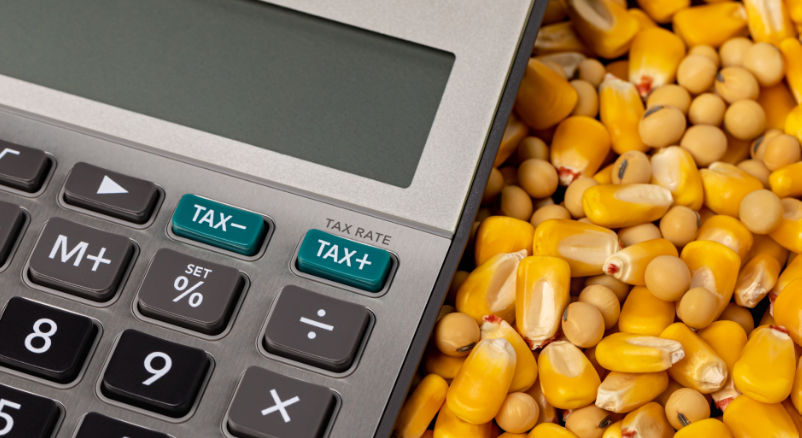

Food is not a luxury—it’s a basic necessity. Yet in many regions, essential food items are still subject to taxes that increase their cost, putting unnecessary financial pressure on households, especially those with lower incomes. In times of rising inflation, economic uncertainty, and growing food insecurity, it is critical to reevaluate how governments tax food.
The Case for Reducing Taxes on Food
1. Food Is a Fundamental Human Right
Access to nutritious and affordable food is a basic human need. Imposing financial tax on essential food items such as grains, vegetables, fruits, dairy, and pulses goes against the principle of equitable access. Reducing or removing taxes on these items would make them more affordable for all sections of society.
2. High Food Prices Worsen Poverty
In lower-income households, a significant portion of income is spent on food. Even a small tax can result in a noticeable increase in monthly expenses. Lowering or exempting essential food items from taxes can directly benefit millions by reducing the burden of living costs and improving overall nutritional standards.
3. Encouraging Healthy Eating
When healthy foods like fruits, vegetables, and unprocessed grains are taxed at the same rate—or higher—than processed or luxury foods, it discourages better dietary choices. Reducing tax on essentials can promote healthier eating habits, reducing long-term healthcare costs for both individuals and governments.
4. Support During Economic Crises
During pandemics, inflation spikes, or economic downturns, affordable food becomes even more critical. Tax relief on essential items can act as an immediate economic support tool, cushioning the impact for vulnerable populations and maintaining public stability.
5. Agricultural and Retail Sector Benefits
A reduction in taxes can stimulate higher demand for essential food items, encouraging local agriculture and improving market turnover for small-scale vendors. This could also help stabilize food supply chains and minimize wastage.
International Perspective
Several countries have already recognized the importance of making food tax-free or applying reduced tax rates:
- United Kingdom: Most staple food items are zero-rated for VAT.
- India: GST is exempted or kept at a lower rate (0–5%) on essential food commodities.
- Canada: Basic groceries are tax-free under the federal tax system.
These models highlight that essential nutrition should not be a source of government revenue.
Challenges and Considerations
- Loss of Revenue: Governments may argue that food taxes contribute to public income. However, the social benefit of making food more accessible far outweighs the minor tax revenue generated from these items.
- Clear Classification Needed: Authorities must define what qualifies as an “essential food item” to avoid misuse or tax evasion.
Conclusion
Food is not a commodity to be taxed; it is a necessity to be protected. As global and domestic economic pressures mount, policymakers must prioritize affordability and access to essentials. Reducing or eliminating financial taxes on food items is not just an economic decision—it is a moral one.
Tax reforms that support the basic rights of people are the foundation of a just and inclusive society. Making food more affordable is one of the most immediate and impactful steps a government can take toward that goal.

Comments are closed.