
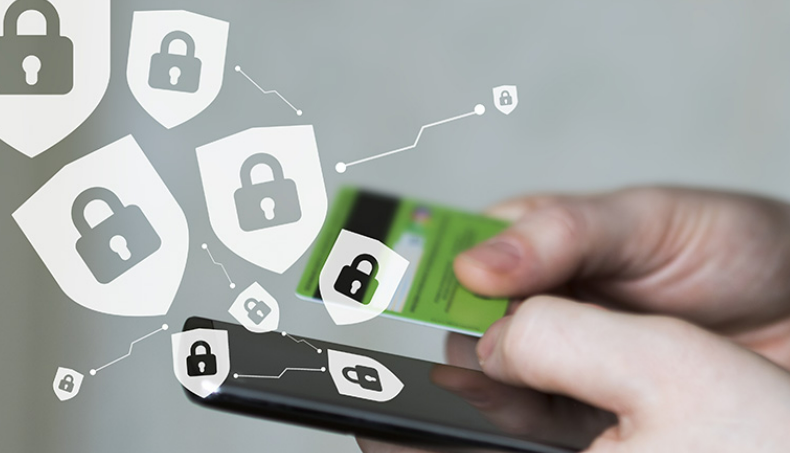

The banking sector and credit card systems are cornerstones of modern economies. They provide individuals and businesses with tools for financial security, convenience, and growth. Yet, alongside their many benefits, these systems are frequently criticized for being prone to fraud, hidden costs, and exploitation. To understand whether banking and credit cards lean more toward fraud or benefits, it is crucial to examine both sides in detail.
The Evolution of Banking and Credit Cards
Banking began as a way to safeguard wealth and facilitate transactions. With the rise of technology and digitalization, banks expanded their services beyond deposits and loans, entering into payment systems, investment products, and global financial transactions.
Credit cards, introduced in the mid-20th century, were initially marketed as a convenient alternative to cash. Over time, they have become an essential tool for global commerce, enabling online shopping, travel, and cashless transactions. Today, millions of people depend on credit cards for day-to-day purchases, bill payments, and emergency funding.
Benefits of Banking and the Credit Card System
1. Convenience and Accessibility
Credit cards eliminate the need to carry large amounts of cash. A single card enables international transactions, online purchases, and access to emergency funds. Similarly, modern banking apps allow customers to transfer money, pay bills, or invest within seconds.
2. Credit Building
Using credit cards responsibly helps individuals build a credit history, which is essential for securing loans, mortgages, or even renting property. A good credit score opens doors to lower interest rates and better financial opportunities.
3. Rewards and Perks
Most credit cards offer reward points, cashback, travel miles, discounts, and other perks. These benefits encourage spending but also provide genuine value when used strategically. Banks also offer incentives like high-interest savings accounts, personal loans, and investment tools.
4. Consumer Protection
Credit card companies often provide purchase protection, fraud detection, and dispute resolution services. If unauthorized transactions occur, customers are generally protected and can recover their money. Banking systems too are regulated by central authorities, ensuring deposit protection and financial stability.
5. Economic Growth
Credit systems fuel consumption and business activity. When people use credit cards to buy products, it stimulates demand, supporting businesses and creating jobs. Banking services, such as loans and credit facilities, empower businesses to expand and innovate.
Risks and Fraud in Banking and Credit Card Systems
1. High Interest and Hidden Fees
Credit cards can become a debt trap if balances are not paid in full. Interest rates on outstanding balances are often extremely high, sometimes exceeding 30% annually. Hidden charges, late payment penalties, and annual fees add further burdens to customers.
2. Identity Theft and Fraud
The most common risk associated with credit cards is fraud. Cybercriminals can steal card details through phishing, skimming, or hacking, leading to unauthorized purchases. Despite security measures like OTPs and chip technology, fraud remains a persistent issue.
3. Overindebtedness
The ease of swiping a card or taking a personal loan can lead to overspending. Many people spend beyond their means, resulting in financial distress, mounting debt, and even bankruptcy.
4. Banking Scams and Misuse
From fake loan offers to phishing scams, banks and their customers are frequent targets of fraudulent schemes. In some cases, unethical banking practices, such as mis-selling of products or unfair loan recovery methods, have also drawn criticism.
5. Data Privacy Concerns
Banks and credit card companies collect vast amounts of customer data. Breaches or misuse of this information can expose consumers to risks far beyond financial loss, including identity fraud and blackmail.
Striking a Balance: Fraud vs. Benefits
The truth lies somewhere in between. While the credit card and banking systems are not inherently fraudulent, they do create opportunities for misuse and exploitation. On the one hand, they provide immense convenience, global connectivity, and financial empowerment. On the other, irresponsible usage, hidden charges, and cybercrime make them risky tools.
For many, the benefits outweigh the risks—if used wisely. Responsible spending, timely repayments, and awareness of fraud prevention can turn credit cards into powerful financial allies. Similarly, banking systems, when supported by strong regulation and consumer awareness, serve as essential pillars of economic stability and growth.
How to Maximize Benefits and Avoid Fraud
- Pay Bills on Time – Avoid interest and penalties by paying full balances each month.
- Monitor Transactions – Regularly check statements for unauthorized activity.
- Use Secure Channels – Conduct online transactions only on trusted platforms with secure payment gateways.
- Limit Credit Card Usage – Don’t rely on credit for unnecessary expenses.
- Understand Terms and Conditions – Be aware of hidden charges, interest rates, and repayment rules.
- Leverage Rewards – Use cashback, discounts, and points to save money.
Conclusion
The debate on whether banking and the credit card system represents fraud or benefits depends largely on perspective and usage. For disciplined and informed users, these systems provide life-changing benefits: financial flexibility, global access, and valuable rewards. For careless or unaware users, they can become traps of debt, fraud, and financial instability.
Ultimately, banking and credit cards are tools—neither inherently fraudulent nor flawless. The key lies in education, responsibility, and regulatory oversight to ensure they remain more beneficial than harmful.

Comments are closed.