
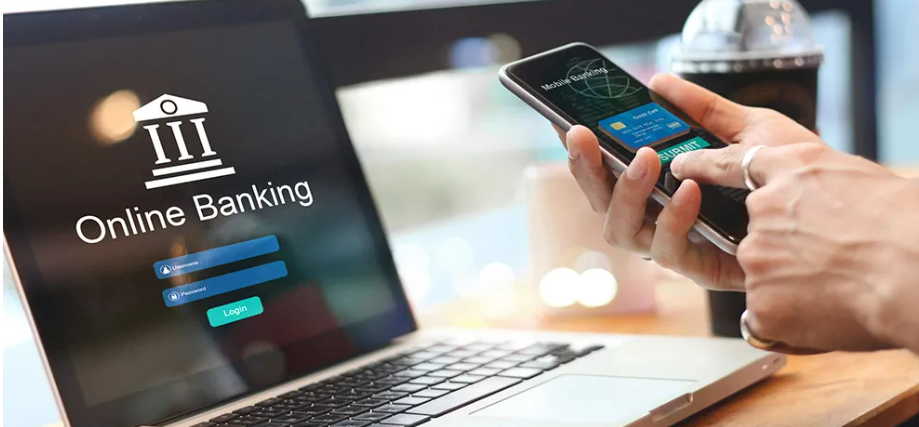

Internet banking has revolutionized how consumers and businesses manage finances—offering convenience, speed, and 24/7 access. However, as usage increases, so do the risks associated with cyber threats. Ensuring the security of online banking platforms has become critical to maintaining customer trust and regulatory compliance.
The Growth of Internet Banking
Over the past decade, internet banking has evolved from basic balance inquiries and fund transfers to full-fledged financial management systems. Customers can now apply for loans, invest, pay bills, and manage credit cards—everything from a web browser or mobile app.
For banks and financial institutions, internet banking reduces operational costs, enhances customer satisfaction, and opens new opportunities for digital engagement. However, the convenience must be balanced with robust security.
Common Security Threats in Internet Banking
- Phishing Attacks
Fraudsters impersonate banks via fake emails or websites to steal login credentials. - Man-in-the-Middle Attacks (MITM)
Hackers intercept communications between the user and bank server to steal data. - Malware and Keyloggers
Installed on a user’s device, these malicious tools record keystrokes or capture sensitive data. - Credential Stuffing
Cybercriminals use stolen credentials from data breaches to access bank accounts. - Social Engineering
Attackers trick users or employees into revealing personal or login information.
Key Internet Banking Security Measures
To protect users and ensure data integrity, banks implement multiple layers of security:
- Multi-Factor Authentication (MFA):
Requires users to verify identity using a password plus a second method (OTP, biometrics, etc.). - End-to-End Encryption:
Encrypts all data transmissions between the user’s device and the bank’s servers. - Secure Socket Layer (SSL) Certificates:
Ensures that the connection is secure with HTTPS protocols. - Fraud Detection Systems:
Uses AI and machine learning to identify and flag suspicious activity in real-time. - Timed Session Logouts:
Automatically logs out users after inactivity to prevent unauthorized access. - Device Fingerprinting & Geo-location Monitoring:
Tracks login patterns and alerts if unusual behavior is detected.
Best Practices for Users
While banks provide the infrastructure, users must also follow safe banking practices:
- Avoid accessing bank accounts on public Wi-Fi
- Never share OTPs, PINs, or login credentials
- Use strong, unique passwords and update them regularly
- Enable biometric login wherever possible
- Always log out after a session
- Verify website URLs and look for HTTPS before entering credentials
Regulatory and Compliance Standards
Financial institutions must comply with strict data security laws such as:
- RBI Guidelines (India)
- PCI-DSS (Payment Card Industry Data Security Standard)
- GDPR (for EU-based customers)
- FFIEC (in the U.S. banking sector)
Compliance ensures not just legal protection, but also builds customer confidence.
Conclusion
Internet banking offers unmatched ease and accessibility, but only when paired with robust security systems and user awareness. As threats grow more sophisticated, banks and customers must work together to stay vigilant. Strengthening digital security is not just about protection—it’s about preserving trust in the future of banking.

Comments are closed.