
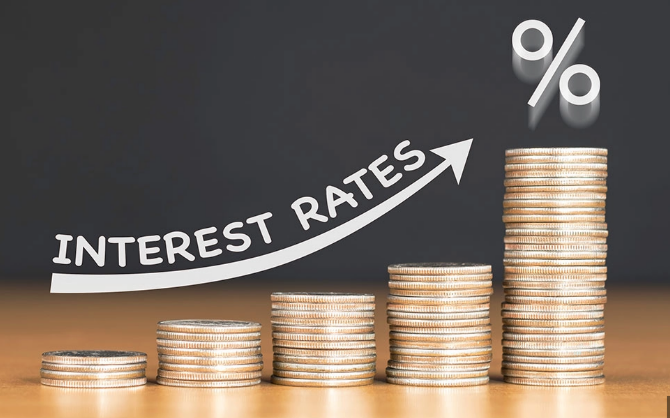

Interest rates are one of the most powerful tools that shape the economy, influencing everything from how individuals save and borrow money to how businesses invest and governments manage national debt. Whether you are taking out a loan, investing in the stock market, or running a business, understanding how interest rates work — and how they affect economic decisions — is essential.
1. What Are Interest Rates?
In simple terms, an interest rate is the cost of borrowing money or the reward for saving it. When you borrow money from a bank or lender, you pay interest; when you deposit money in a savings account, the bank pays you interest.
Interest rates are usually expressed as a percentage of the principal amount over a specific period (typically annual).
For example:
If you borrow ₹1,00,000 at an annual interest rate of 10%, you’ll owe ₹10,000 in interest after one year.
2. Who Decides Interest Rates?
Interest rates are influenced by both central banks and market forces.
- Central Bank Rates: In India, the Reserve Bank of India (RBI) sets the repo rate (the rate at which commercial banks borrow money from the RBI). Changes in the repo rate directly influence the interest rates that banks offer to consumers and businesses.
- Market Factors: Inflation, government policies, economic growth, and global trends also play major roles in determining interest rates.
3. Types of Interest Rates
a) Fixed Interest Rate
A fixed rate remains constant throughout the loan tenure. Borrowers benefit from predictable payments even if market rates rise. However, they may miss out on savings if rates fall.
b) Floating or Variable Interest Rate
This rate changes based on market conditions or benchmarks (like the RBI repo rate). It can lead to higher or lower payments depending on the economic climate.
c) Nominal vs Real Interest Rate
- Nominal rate: The stated rate before adjusting for inflation.
- Real rate: The rate after accounting for inflation, showing the actual purchasing power gain or loss.
Real Interest Rate = Nominal Rate – Inflation Rate
4. Factors That Influence Interest Rates
Interest rates fluctuate based on several key economic factors:
- Inflation:
Higher inflation generally leads to higher interest rates, as central banks try to reduce spending and control price increases. - Economic Growth:
When the economy is strong, demand for loans increases, pushing rates up. During slowdowns, central banks cut rates to encourage borrowing and spending. - Monetary Policy:
The RBI or any central bank adjusts rates to maintain economic stability — raising rates to control inflation, and lowering them to boost growth. - Government Borrowing:
When governments borrow heavily, it can drive up interest rates, as more funds are needed to finance deficits. - Global Economic Trends:
Global recessions, oil prices, trade tensions, or interest rate changes in major economies like the U.S. can also impact domestic interest rates.
5. How Interest Rates Impact Different Sectors
a) Impact on Individuals
- Borrowers: When rates rise, loans (home, car, education, personal) become more expensive. EMI payments increase, reducing disposable income.
- Savers: Higher rates mean better returns on fixed deposits, savings accounts, and bonds, encouraging people to save more.
- Investors: Rising rates can lead to lower stock prices, as companies face higher borrowing costs and reduced profits.
b) Impact on Businesses
- Cost of Capital: Companies pay more for loans, leading to delayed expansion or reduced hiring.
- Profit Margins: Increased interest expenses reduce profitability.
- Investment Decisions: High rates discourage borrowing for new projects, while low rates encourage business investment and expansion.
c) Impact on the Economy
- During High Interest Rates: Spending and borrowing slow down, inflation cools, but economic growth may decline.
- During Low Interest Rates: Borrowing and investment increase, boosting growth but risking inflation.
6. Interest Rates and Inflation: The Balancing Act
Central banks constantly balance between growth and price stability.
- When inflation rises above target levels, the RBI raises rates to slow borrowing and cool demand.
- When inflation falls or the economy slows, the RBI cuts rates to stimulate spending and investment.
This balancing act is key to maintaining a stable economic environment — preventing both runaway inflation and stagnation.
7. The Global Ripple Effect of Interest Rate Changes
Interest rates in major economies like the U.S. Federal Reserve have worldwide influence. When the Fed raises rates:
- Global investors may shift funds to U.S. assets, causing currency fluctuations.
- Emerging markets like India may experience capital outflows and rupee depreciation, prompting domestic rate adjustments.
- Global borrowing costs rise, affecting trade, investments, and business expansion worldwide.
8. How Individuals Can Respond to Changing Interest Rates
Understanding how to manage finances in response to rate changes can protect individuals from financial stress:
- For Borrowers:
- Opt for fixed-rate loans if you expect rates to rise.
- Refinance existing loans when rates are low.
- Maintain a good credit score to access better loan terms.
- For Investors:
- Diversify portfolios with a mix of equity and debt instruments.
- Invest in short-term bonds during rate hikes to reduce risk.
- Consider fixed deposits or government securities for stable returns.
- For Businesses:
- Use interest rate hedging strategies to manage exposure.
- Monitor economic policies to plan long-term investments.
- Optimize debt-to-equity ratios during high-rate periods.
9. The Future Outlook for Interest Rates
As economies evolve post-pandemic and adapt to digitalization and global inflation trends, interest rates are expected to remain dynamic.
Central banks are likely to maintain a data-driven approach, adjusting rates to balance inflation control with growth stimulation.
Technological advances, global trade dependencies, and climate-related economic factors will further influence future rate movements.
10. Conclusion
Interest rates serve as the heartbeat of the financial system influencing how money moves, how businesses grow, and how economies thrive. By understanding how they work, individuals and organizations can make smarter decisions about borrowing, investing, and planning for the future.
Whether rates rise or fall, being informed about their impact helps in strategic financial planning and ensures resilience in a constantly changing economic environment.

Comments are closed.