
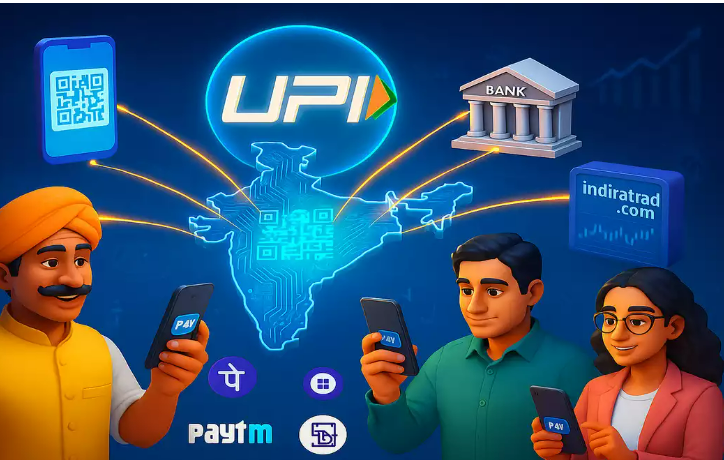

The global financial landscape is undergoing a revolution led by digital payments, embedded finance, and technology-driven financial products. What started as simple online banking has grown into a full ecosystem of mobile wallets, UPI, instant loans, buy-now-pay-later, digital insurance, blockchain networks, and open banking platforms. Today, fintech is no longer a side industry—it has become the backbone of modern commerce.
✅ Digital Payments: The New Normal
With smartphones and internet connectivity expanding rapidly, digital payments have become the most preferred method of financial transactions. In many countries, cashless payments now surpass cash usage, especially after the pandemic accelerated digital adoption.
Key drivers of digital payments:
- Contactless transactions
- Unified payment systems (like UPI)
- Mobile wallets and QR-based payments
- Real-time settlements
- Cross-border digital transfers
- Lower transaction costs and high convenience
Businesses and consumers benefit from fast, secure, transparent transactions without the need for physical currency.
✅ Embedded Finance: Banking Beyond Banks
Embedded finance is one of the fastest-growing areas in fintech. It integrates financial services directly into non-financial platforms, creating a seamless experience for users.
Examples of embedded finance:
- Ride-sharing apps offering in-app payments and insurance
- E-commerce platforms providing buy-now-pay-later
- Food delivery apps giving microloans to delivery partners
- Retail websites offering instant credit at checkout
- Fintech APIs enabling wallets, EMI options, or bank accounts inside apps
This model allows companies from retail to healthcare—and even education—to act as mini financial providers without becoming banks themselves.
✅ Rise of Buy-Now-Pay-Later (BNPL) and Microcredit
BNPL has gained massive popularity among younger consumers and small businesses. Instead of applying for a bank loan, users can split purchases into small, interest-free installments within seconds.
Why it works:
- Easy approval
- No heavy documentation
- Instant onboarding
- Customer-friendly repayment options
For small merchants and startups, microcredit provides short-term working capital, helping them scale operations without traditional loan challenges.
✅ Fintech for Financial Inclusion
Millions of people globally do not have access to traditional banking. Fintech bridges this gap through:
- Digital KYC and video verification
- Aadhaar/ID-linked accounts
- Micro-savings apps
- Small-ticket insurance
- Low-cost digital transactions
Rural areas, gig workers, delivery partners, freelancers, and small business owners now access financial services through smartphones—something that was nearly impossible a decade ago.
✅ Security and Regulations
As the fintech sector expands, so do risks. Governments and regulatory bodies are strengthening data privacy laws, fraud monitoring tools, and cybersecurity requirements. Technologies such as:
- AI fraud detection
- Two-factor authentication
- Tokenization
- Biometrics
- Blockchain-based identity
help ensure safe digital transactions.
✅ Future of Fintech: What’s Coming Next
The fintech revolution is still in its early stages. The next era will introduce:
- Central Bank Digital Currencies (CBDC)
- Open banking APIs connecting banks, apps, and financial institutions
- Crypto and blockchain settlements
- AI-driven investment platforms
- Smart insurance with usage-based payouts
- Global real-time cross-border payments
Fintech is becoming smarter, faster, more personalized—and deeply integrated into everyday life.
✅ Conclusion
Digital payments and embedded finance are reshaping how the world transacts, saves, invests, and borrows. What once required paperwork, bank visits, and long waiting periods can now be done in seconds with a smartphone. As fintech continues to evolve, it will strengthen financial inclusion, empower businesses, support cashless economies, and enable a future where money moves effortlessly, securely, and instantly.

Comments are closed.