
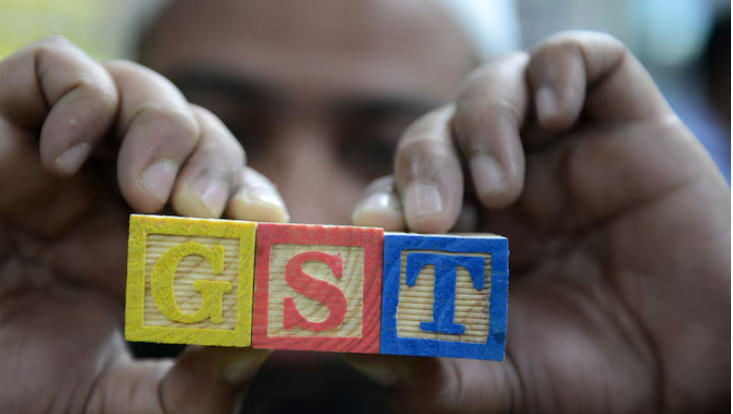
India Slashes GST Rates on Daily Food Items Under GST 2.0: What It Means for Consumers

India has embarked on one of its most sweeping reforms to the Goods and Services Tax (GST) system, officially rolling out GST 2.0 from September 22, 2025. Among the most consumer‐visible aspects of this overhaul is a significant reduction in GST on many food items, especially staples and everyday dairy and snack products. The aim is to ease household expenses and stimulate demand ahead of the festive season.
What Changed
- The previous four‐slab structure (5%, 12%, 18%, 28%) has been simplified: most essential goods now attract 5% GST, and many luxury or standard items are taxed at 18%. A new 40% “sin/luxury” slab has been introduced for select high‐end or vice goods.
- A host of food and dairy products that were earlier taxed at 12% or 18% have now been moved to the 5% slab. Some items are even zero‐rated (0% GST).
Which Food Items Are Cheaper Now
Some of the food items that consumers will see become significantly cheaper include:
- Dairy staples like butter, ghee, paneer, cheese
- Packaged snacks and sweets including namkeen, bhujia, pastry, cakes
- Breakfast items such as cereals, corn flakes
- Beverages like coffee, tea, fruit juices
- Jams, jellies, ketchup
- Dry fruits and nuts
- Ice cream
Additionally, certain basic staples like roti/paratha/chapati, UHT milk, and similar products have been placed under zero percent GST, meaning no tax to be paid at the point of sale.
Price Impact
These changes are expected to lead to visible reductions in the retail cost of many food items. Examples:
- Amul has announced price cuts for over 700 of its products including butter, cheese, frozen snacks and bakery items.
- Karnataka Milk Federation (KMF) has reduced prices of several Nandini dairy products: ghee, butter, paneer, processed cheese, etc.
- Mother Dairy will slash prices for paneer, butter, certain milk variants, ice creams and packaged Safal products.
For many households, especially middle and lower income, the savings may add up substantially given daily usage of these food items.
What It Means for Consumers & the Market
- Relief in everyday expenses: With reductions in tax on common foods, the cost of groceries should drop, easing inflationary pressures.
- Festive season boost: As these changes coincide with upcoming festivals, many consumers may benefit from lower prices just when spending typically rises.
- Pressure on manufacturers and retailers to pass on tax savings. The government has emphasised that companies must adjust MRPs or reduce prices to reflect the GST cuts—failure to do so may be treated as unfair business practice.
- Uniformity and simplicity: The shift to fewer slabs (5% and 18%, with a special 40% for luxury/sin goods) aims for simpler compliance and less confusion among consumers and businesses.
Challenges & Watchpoints
- Ensuring actual price drops: Past tax cuts have sometimes not been fully passed on to consumers. Monitoring and enforcement are key.
- Impact on revenues: Reduced tax rates mean some loss of revenue for government in the short term. The balance lies in whether increased consumption offsets this.
- Implementation glitches: Changing all MRPs, updating billing systems, educating retailers & consumers take time; there may be delays or mismatches initially.
In summary, the GST 2.0 reforms mark a major shift in how daily food items are taxed in India. By slashing rates on staples like dairy, snacks, beverages, and sweets, the government aims to deliver relief to consumers and strengthen demand. Whether the benefits will be fully realised depends on how effectively businesses adjust prices, how well consumers are informed, and how both supply chains and enforcement mechanisms hold up during transition.

Comments are closed.