
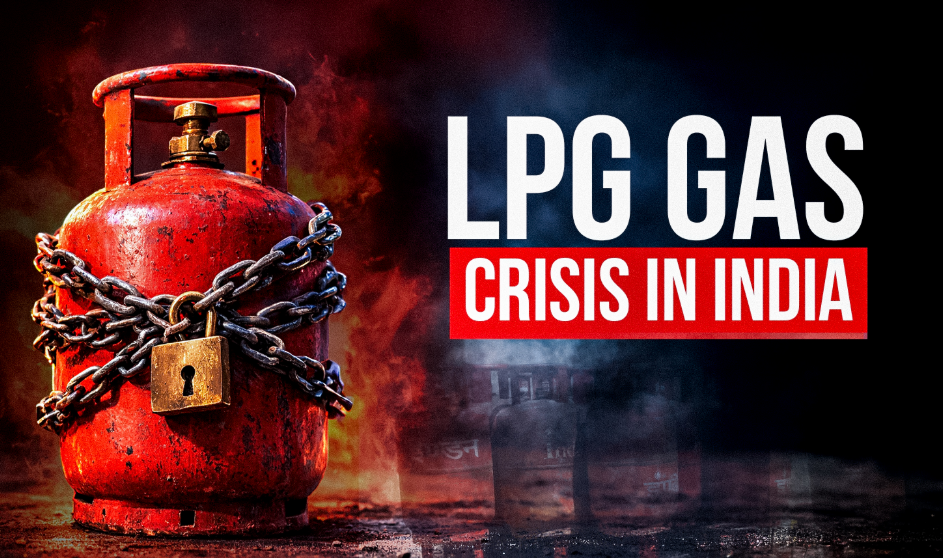
LPG Cylinder Crisis in India 2026: Rising Costs and Supply Disruptions Shake Household and Business Finances

India is currently witnessing a significant LPG (cooking gas) crisis in 2026, which is having a direct and widespread impact on the country’s financial landscape. Driven by global supply disruptions, rising crude oil prices, and geopolitical tensions, the cost of LPG cylinders has increased sharply, putting immense pressure on both household budgets and business operations. As LPG remains an essential commodity for daily cooking and commercial use, even a small price hike is translating into noticeable financial stress across income groups.
In recent months, domestic LPG cylinder prices have surged considerably, crossing affordability levels for many middle- and lower-income families. For households, this has led to a shift in monthly financial planning, where a larger portion of income is now being allocated to basic utilities. Families are being forced to cut back on discretionary spending such as education extras, healthcare, and savings, just to manage essential cooking fuel expenses. In rural and semi-urban areas, some households are even reverting to traditional fuels like wood or coal, which may have long-term health and environmental consequences.
The financial impact is even more visible in the commercial sector. Small businesses such as restaurants, street food vendors, caterers, and small-scale industries heavily depend on LPG for daily operations. The rise in commercial cylinder prices has significantly increased operational costs, forcing many businesses to either raise prices or reduce output. This has led to a ripple effect on consumers, as food prices and service charges are gradually increasing, contributing to overall inflation in the economy.
Moreover, the supply-side challenges have worsened the situation. In several regions, irregular supply and delayed deliveries have created panic among consumers, leading to hoarding and black-market sales at inflated prices. This imbalance between demand and supply is further destabilizing the market and increasing the financial burden on end users.
The crisis is also impacting employment and income generation. Many small enterprises are scaling down operations due to high fuel costs, which is resulting in reduced working hours and job losses, particularly in the informal sector. Industries that rely on LPG for production, such as food processing and handicrafts, are facing declining profit margins, affecting overall economic productivity.
From a broader economic perspective, the LPG crisis is contributing to inflationary pressure and weakening consumer purchasing power. As essential expenses rise, disposable income declines, slowing down consumption across sectors. This, in turn, can impact economic growth if the situation persists over a longer period.
In conclusion, the LPG cylinder issue in India in 2026 is not just an energy concern but a significant financial challenge affecting millions. It highlights the country’s dependency on global fuel markets and the urgent need for sustainable energy alternatives and stronger supply chain strategies to protect both consumers and the economy from such shocks.
