
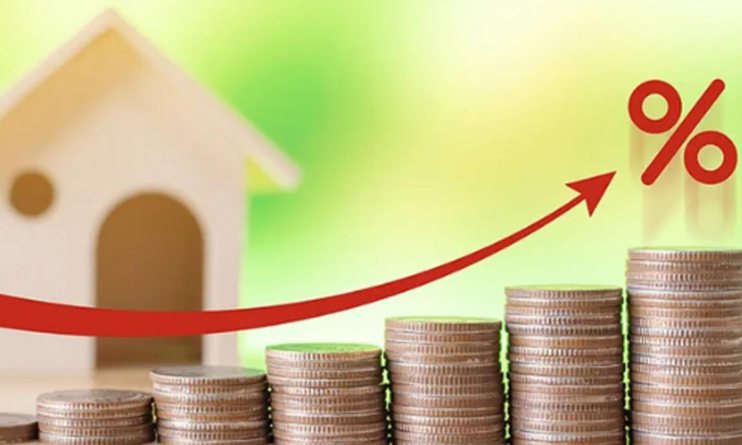
Rising EMI Burden in 2025: Borrowers Struggle as Interest Rates and Living Costs Continue to Climb

In 2025, millions of Indian borrowers are facing mounting financial pressure as Equated Monthly Installments (EMIs) for home, vehicle, and personal loans continue to rise. With inflation pushing household expenses higher and interest rates remaining firm, both middle-class families and young professionals are finding it increasingly difficult to manage their monthly budgets.
According to recent financial reports, the average EMI burden per household has increased by nearly 18% compared to last year. The Reserve Bank of India’s cautious stance on rate cuts, coupled with persistent inflation in essential sectors like food, energy, and housing, has kept loan repayment costs at elevated levels.
Why EMIs Are Increasing
The spike in EMIs can be traced to the RBI’s key policy rate (repo rate), which continues to hover around a multi-year high. Banks and Non-Banking Financial Companies (NBFCs) have passed on these rates to customers, raising lending costs across categories.
- Home loans, which were previously available at interest rates as low as 6.5%, are now averaging 8.75%–9.5%.
- Car loans and personal loans have also seen a steep rise, with some NBFCs charging over 13% depending on the credit profile of the borrower.
- Even credit card EMIs have become costlier, pushing many users to restructure or delay repayments.
Impact on Borrowers
Borrowers with long-term loans—especially homebuyers—are among the worst affected. Many are now extending their loan tenures or paying higher monthly installments to maintain repayment schedules. Experts note that the average home loan tenure, which used to be 15–20 years, has now stretched to 25–30 years for new borrowers.
For salaried professionals, the rising EMIs have reduced disposable income, forcing many to cut back on discretionary spending such as travel, dining, and entertainment. This, in turn, has affected sectors dependent on consumer demand, from retail to real estate.
Shift Toward Loan Restructuring and Refinancing
In response to the pressure, a growing number of borrowers are exploring balance transfer and refinancing options to reduce EMI amounts. Many banks are offering limited-time interest rate discounts or flexible repayment plans to retain customers.
Financial advisors recommend comparing interest rates, negotiating with lenders, and prepaying part of the loan whenever possible to minimize the long-term interest burden.
Digital Lending and EMI Flexibility
On a positive note, digital lending platforms are introducing customized EMI solutions to help borrowers manage payments more effectively. New fintech tools allow users to adjust payment dates, split EMIs, or even skip a month in case of emergencies—features that were rare just a few years ago.
Additionally, salary-linked EMIs and automatic deductions have improved repayment discipline, reducing the risk of default in urban areas.
The Road Ahead
Economists predict that EMI pressure may ease slightly by mid-2026 if inflation stabilizes and the RBI begins to reduce rates. However, until then, borrowers will need to focus on careful financial planning, prioritizing essential expenses and maintaining a good credit score to stay eligible for favorable loan terms.
The rising EMI trend serves as a reminder of the delicate balance between economic growth and personal finance stability. As India continues its journey toward becoming a $5-trillion economy, managing household debt efficiently will be key to sustaining financial health at both individual and national levels.
In the meantime, experts urge borrowers to stay informed, review loan documents carefully, and seek professional advice before committing to long-term financial obligations—because in today’s economic climate, every rupee counts.

Comments are closed.