
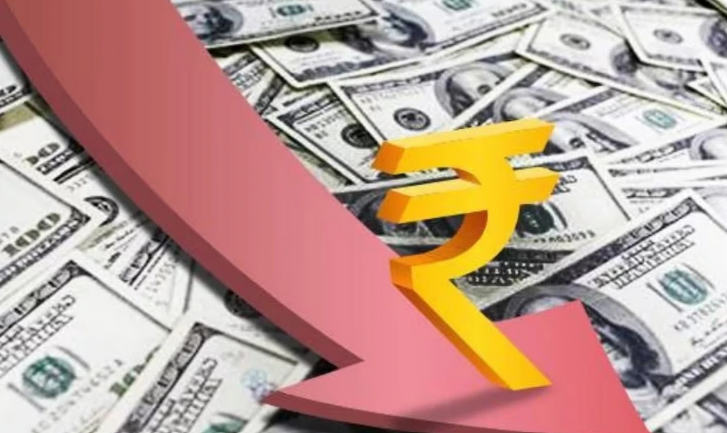

A fresh wave of debate has erupted across India’s financial and political landscape over the long-standing comparison between the Indian rupee and the US dollar, often simplified into the controversial “₹1 vs $1” narrative. Economists and policymakers have reiterated that such comparisons are largely symbolic and do not reflect real economic strength, as currency value is determined by multiple factors including inflation, trade balance, foreign reserves, and global demand. Critics argue that the rupee’s depreciation against the dollar in recent years highlights concerns around rising import costs, especially crude oil, and widening fiscal deficits, which directly impact inflation and household expenses. Meanwhile, government representatives and financial experts emphasize that a weaker rupee can actually boost exports and improve competitiveness in global markets, supporting sectors like IT services and manufacturing. The controversy has gained traction on social media and in political discussions, where simplified comparisons are often used to question economic policies or governance. Analysts warn that such narratives can mislead the public, as currency value alone does not determine a nation’s economic health—factors like GDP growth, employment, infrastructure development, and investment inflows play a far more significant role. As global uncertainties continue, including fluctuating oil prices and shifting monetary policies in the United States, the rupee-dollar equation remains a complex issue, demanding nuanced understanding rather than headline-driven conclusions.
