
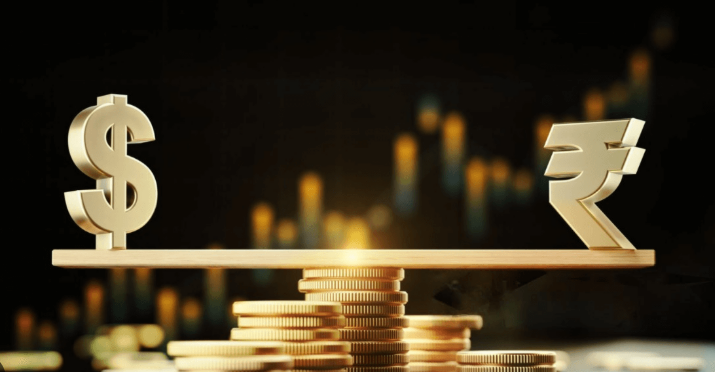
US Dollar vs Indian Rupee in 2026: Currency Pressure Continues to Shape India’s Economic Outlook

In 2026, the ongoing battle between the US Dollar and the Indian Rupee remains a key focus for economists, policymakers, and global investors, as fluctuations in exchange rates continue to impact trade, inflation, and overall economic stability. The rupee has experienced periodic pressure against the dollar due to a combination of global and domestic factors, including rising crude oil prices, geopolitical tensions, and shifts in foreign investment flows. As the dollar strengthens on the back of resilient economic performance in the United States and firm monetary policies, emerging market currencies like the rupee face depreciation challenges. This has led to increased import costs for India, particularly in sectors such as energy, electronics, and defense, ultimately contributing to inflationary concerns within the domestic market. At the same time, a weaker rupee has provided some relief to export-driven industries, including IT services and pharmaceuticals, by making Indian goods and services more competitive globally. The Reserve Bank of India has been actively intervening in the forex market to stabilize the currency, using tools such as foreign exchange reserves and interest rate adjustments to manage volatility. Financial analysts suggest that while short-term fluctuations are inevitable, India’s long-term economic fundamentals, including strong GDP growth and increasing digital adoption, may help the rupee maintain relative stability over time. However, global uncertainties—ranging from recession fears in major economies to ongoing geopolitical conflicts—continue to influence investor sentiment and capital flows. As a result, the dollar-rupee dynamic in 2026 is not just a reflection of currency valuation but a broader indicator of global economic health, making it a critical area of focus for businesses, investors, and policymakers alike.
