

In today’s fast-paced world, financial needs can arise unexpectedly. Whether it’s for medical emergencies, higher education, home renovation, debt consolidation, or starting a small business, access to quick funds can make a significant difference. One of the most popular financing options available today is an unsecured loan. But what exactly is an unsecured loan, and how does it work?
This comprehensive guide will help you understand everything about unsecured loans, including their features, benefits, eligibility criteria, advantages, disadvantages, and tips for securing approval.
Understanding an Unsecured Loan
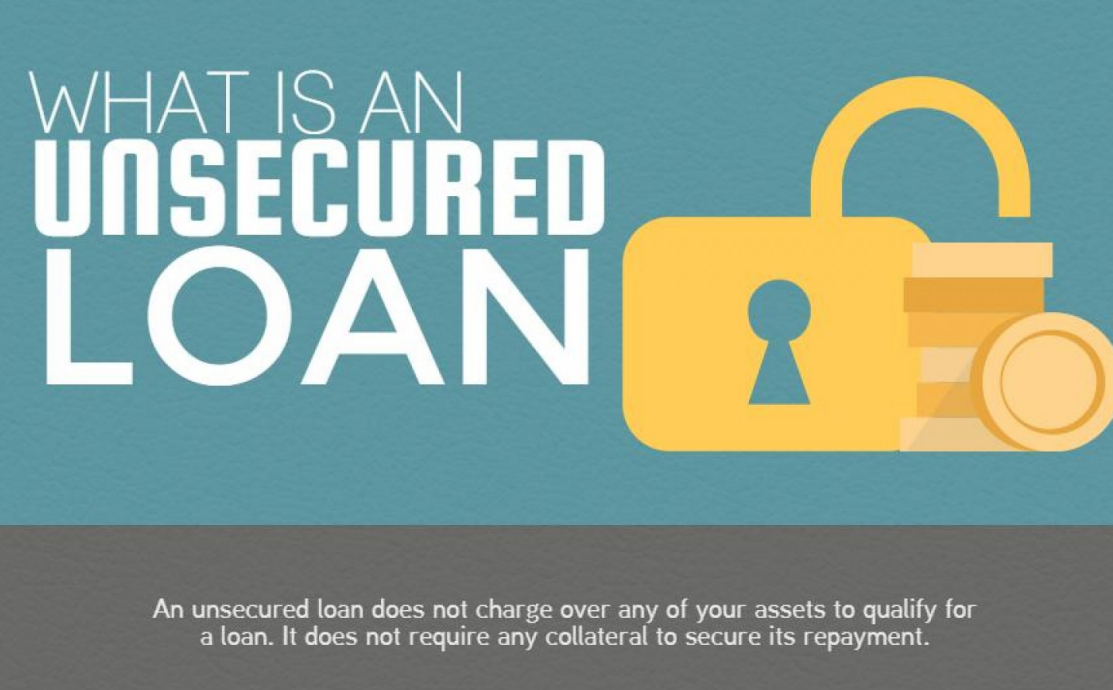
An unsecured loan is a type of loan that does not require the borrower to pledge any asset or collateral as security. Unlike secured loans, where lenders can claim an asset such as a house, vehicle, or fixed deposit in case of default, unsecured loans are approved primarily based on the borrower’s creditworthiness, income, repayment capacity, and financial history.
Since lenders take on a higher level of risk by not requiring collateral, they evaluate applicants carefully before granting approval.
Common examples of unsecured loans include:
- Personal Loans
- Credit Cards
- Student Loans
- Medical Loans
- Business Loans (without collateral)
- Debt Consolidation Loans
How Does an Unsecured Loan Work?
When you apply for an unsecured loan, the lender assesses several factors to determine whether you qualify for the loan. These factors generally include:
Credit Score
Your credit score reflects your borrowing and repayment history. A higher score indicates responsible financial behavior and improves your chances of approval.
Income Stability
Lenders review your monthly income and employment history to ensure that you have sufficient repayment capacity.
Debt-to-Income Ratio
This ratio compares your monthly debt obligations to your income. Lower debt levels generally improve approval chances.
Employment Status
Stable employment or a consistent source of income demonstrates financial reliability.
Once approved, the loan amount is disbursed directly to your bank account, and you repay it through fixed monthly installments over the agreed loan tenure.
Key Features of Unsecured Loans
No Collateral Required
The biggest advantage of an unsecured loan is that borrowers do not need to pledge assets such as property, gold, or vehicles.
Faster Approval Process
Since there is no need for collateral valuation and documentation, approvals are often quicker.
Flexible Usage
Borrowers can use the funds for various personal or professional needs without restrictions.
Fixed Repayment Schedule
Most unsecured loans come with predictable monthly installments, making budgeting easier.
Competitive Loan Amounts
Depending on income and credit profile, borrowers may qualify for substantial loan amounts.
Benefits of Unsecured Loans
Quick Access to Funds
Unsecured loans often provide rapid approval and disbursement, making them ideal for urgent financial requirements.
No Risk to Personal Assets
Since no collateral is required, borrowers do not risk losing valuable assets if financial difficulties arise.
Simplified Documentation
The application process is generally less complicated compared to secured loans.
Build Credit History
Timely repayments can improve your credit score and strengthen your financial profile.
Multiple Financial Purposes
These loans can be used for:
- Medical expenses
- Wedding costs
- Travel expenses
- Education fees
- Home improvement
- Emergency expenses
- Debt consolidation
Types of Unsecured Loans
Personal Loans
One of the most common unsecured borrowing options, personal loans can be used for almost any purpose.
Credit Cards
Credit cards provide revolving unsecured credit that can be used repeatedly up to the approved limit.
Student Loans
Many educational financing options are available without requiring collateral, especially for smaller amounts.
Business Loans
Certain lenders offer unsecured business loans to startups and small enterprises based on business performance and financial records.
Medical Loans
Specialized loans designed to cover healthcare and medical treatment expenses.
Eligibility Criteria for Unsecured Loans
While requirements vary among lenders, common eligibility factors include:
- Age between 21 and 65 years
- Stable source of income
- Good credit score
- Valid identity and address proof
- Bank statements
- Employment or business proof
Meeting these requirements improves the likelihood of approval and favorable loan terms.
Advantages of Unsecured Loans
Easy Accessibility
Borrowers without valuable assets can still access financing.
Faster Processing
No collateral verification significantly reduces processing time.
Financial Flexibility
Funds can be used according to individual needs.
Asset Protection
Personal property remains protected since it is not pledged as security.
Convenient Application Process
Many lenders now offer fully digital applications and approvals.
Disadvantages of Unsecured Loans
While unsecured loans offer numerous benefits, they also have certain limitations.
Higher Interest Rates
Because lenders assume greater risk, interest rates are often higher than secured loans.
Lower Loan Amounts
Loan limits may be lower compared to secured financing options.
Strict Credit Requirements
Applicants with poor credit scores may face rejection or higher interest rates.
Penalties for Default
Missed payments can significantly damage your credit score and may result in collection actions.
Unsecured Loan vs Secured Loan
| Feature | Unsecured Loan | Secured Loan |
|---|---|---|
| Collateral Required | No | Yes |
| Approval Speed | Faster | Slower |
| Interest Rates | Generally Higher | Generally Lower |
| Risk to Assets | None | Assets at Risk |
| Credit Score Importance | High | Moderate |
| Loan Amount | Usually Lower | Usually Higher |
Tips to Improve Unsecured Loan Approval Chances
Maintain a Good Credit Score
Pay bills and existing loans on time to build a strong credit profile.
Reduce Existing Debt
Lower outstanding debts improve your debt-to-income ratio.
Verify Information Carefully
Ensure that all application details are accurate and complete.
Choose an Appropriate Loan Amount
Apply for an amount that aligns with your repayment capacity.
Demonstrate Stable Income
Consistent income significantly strengthens your application.
Is an Unsecured Loan Right for You?
An unsecured loan can be an excellent financial solution if you need quick access to funds without pledging assets. It offers convenience, flexibility, and fast approvals, making it suitable for a wide range of personal and professional needs.
However, borrowers should carefully evaluate interest rates, repayment obligations, and their financial capacity before taking on debt. Responsible borrowing and timely repayments can help maximize the benefits of unsecured loans while maintaining long-term financial health.
Final Thoughts
Unsecured loans have become one of the most accessible financing options for individuals and businesses seeking funds without collateral. Their flexibility, quick approval process, and ease of application make them attractive for various financial needs. By understanding how unsecured loans work and maintaining a healthy credit profile, borrowers can secure favorable loan terms and use financing effectively to achieve their goals.
Before applying, compare lenders, review terms carefully, and choose a repayment plan that fits your budget. Making informed borrowing decisions today can lead to stronger financial stability in the future.

Comments are closed.