
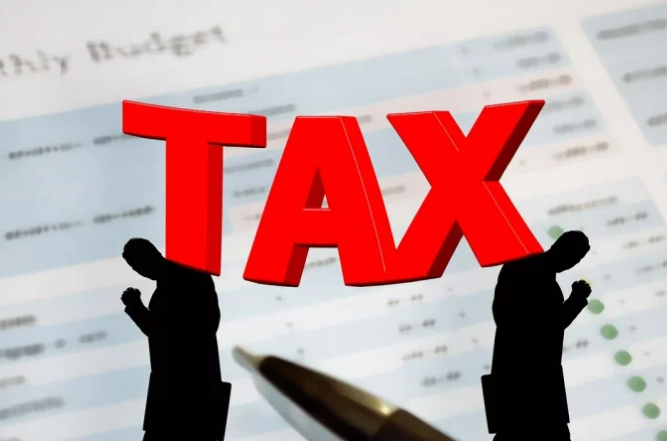
Rising Tax Burden and Public Frustration: When Government Taxation Becomes a Daily Struggle

Government taxation remains one of the most important sources of public revenue, funding infrastructure, healthcare, education, public transport, welfare programs, and essential government services; however, for many citizens and businesses, the growing complexity and cumulative burden of taxes are increasingly becoming a source of frustration. From income tax and GST to fuel taxes, property taxes, professional taxes, road and vehicle charges, and various indirect levies embedded in everyday products and services, people often feel that a significant portion of their earnings is absorbed before they can fully benefit from their income. The frustration becomes particularly visible when tax increases are accompanied by rising living costs, expensive housing, higher education expenses, increasing healthcare costs, and fluctuating fuel and food prices. For salaried employees, taxes are frequently deducted before they receive their income, leaving limited opportunities to manage their financial burden, while small businesses and self-employed professionals often face additional pressure from compliance requirements, documentation, filing deadlines, penalties, and changing regulations. Although taxation is necessary for a functioning economy, public dissatisfaction tends to increase when citizens believe that the tax burden is rising faster than the quality, accessibility, or efficiency of public services. Another major concern is the perception that honest taxpayers carry a disproportionate share of the responsibility while tax evasion, corruption, and inefficient public spending remain unresolved.
This creates a feeling among many people that they are being asked to contribute more without receiving sufficient transparency about how their money is being utilized. Digital taxation systems have made filing and payment more convenient in many respects, but they have also introduced new challenges for individuals who struggle to understand complex rules, frequent regulatory updates, notices, deductions, exemptions, and compliance procedures. Small businesses can be particularly vulnerable because they may not have dedicated accounting or legal teams to interpret every change in taxation policy. Public frustration can also intensify when tax policies are announced without adequate communication or when sudden changes affect household budgets and business planning. At the same time, governments face a difficult balancing act: they need sufficient revenue to finance development and public services while ensuring that taxation does not discourage investment, entrepreneurship, employment, or consumer spending. A sustainable tax system therefore requires more than simply increasing revenue collection; it requires fairness, simplicity, predictability, transparency, and accountability. Citizens are more likely to accept taxation when they can clearly see the connection between the taxes they pay and improvements in roads, public transportation, schools, hospitals, digital infrastructure, safety, and other essential services.
Governments can potentially reduce public frustration by simplifying tax structures, reducing unnecessary compliance burdens, improving taxpayer support systems, communicating policy changes clearly, strengthening action against tax evasion, and providing greater transparency regarding public expenditure. Ultimately, the debate surrounding taxation is not simply about how much citizens pay, but about whether the system is perceived as fair and whether taxpayers can trust that their contributions are being used responsibly. As economies evolve and governments seek additional revenue to meet growing development and welfare demands, maintaining that trust will become increasingly important. A taxation system that is efficient for the government but confusing or overwhelming for citizens risks creating resentment, whereas a system built around fairness, transparency, simplicity, and accountability can strengthen compliance and public confidence. The growing frustration among taxpayers should therefore be viewed not merely as resistance to paying taxes, but as a signal that governments, policymakers, and tax authorities need to continually evaluate whether the taxation framework remains balanced, understandable, and aligned with the economic realities faced by ordinary people and businesses.

Comments are closed.